2026 Sutton Fourth Celebration Witness Houses
Scattered across Sutton's landscape are homes that were standing while the Revolutionary War unfolded around them. These homes were silent witnesses to the turbulent birth of a nation. But these houses are more than architectural relics. They are the places where real people lived, worked, worried, and hoped: farmers who took up arms, families who waited for news, and neighbors who built a community in extraordinary times.
Sutton Historical Society's Witness House Project is dedicated to remembering those people. By exploring the stories behind these historic walls, we aim to bring Sutton's Revolutionary generation back to life - not as distant historical figures, but as the human beings who shaped the town we call home today.
Sutton Historical Society, in collaboration with Sutton Fourth, is proud to present histories of six of our Witness Houses, those which appear along the parade route in 2026. We hope you enjoy learning about the people who witnessed the birth of our nation, right here in Sutton. Click on the addresses below to learn more:
The Diarist's House (10 Uxbridge Road)
The "John Hancock" House (327 Boston Road)
The Tavern Keeper's House (334 Boston Road)
The Selectman's House (346 Boston Road)
The Family Home (356 Boston Road)
The Turncoat's House (5 Putnam Hill Road)
The "John Hancock" House (327 Boston Road)
The Tavern Keeper's House (334 Boston Road)
The Selectman's House (346 Boston Road)
The Family Home (356 Boston Road)
The Turncoat's House (5 Putnam Hill Road)
Please note that these properties are private homes and are NOT open for visiting.
The Diarist's House (10 Uxbridge Road)
The first minister of Sutton was John McKinstry (1677-1754), a recent immigrant to New England at the time of his appointment in 1720. He proved too rigid for the Sutton congregation and was dismissed in 1728. His replacement, Dr. David Hall, would go on to serve Sutton for over 60 years, until his death in 1789.
A requirement for the establishment of a town in the early 1700s was the settlement of a minister. To encourage applicants, land was offered in addition to a salary. After some early disputes around the suitability of the “minister’s lot” in Sutton, Dr David Hall was offered first the lease, and then the ownership, of several tracts of land in the town. 10 Uxbridge Road was one lot that Hall owned, and the building thereon was probably constructed around 1729, although the current appearance owes more to the later years of the 18th century. Dr David Hall also owned 327 Boston Road, where our “John Hancock House” now stands. He sold that property to his son, David Hall, Jr. in 1753. However, the Hall family continued to lease the house and land throughout the Revolutionary War period.
In 18th-century Massachusetts, a minister’s life was one of enormous responsibility and surprisingly little rest. He was simultaneously the spiritual shepherd, moral authority, and intellectual cornerstone of his community, in a colony where church and civic life were deeply intertwined. The minister’s week revolved around the Sabbath, for which he spent much of his time preparing two lengthy sermons, often an hour or more each, delivered to a congregation that attended out of both genuine piety and social obligation. Beyond the pulpit, he made regular pastoral visits to the sick and dying, counseled families in crisis, presided over births, marriages, and funerals, and mediated community disputes. He was expected to be a scholar, and many ministers had graduated from Harvard College, the institution founded in part to ensure a learned ministry. His salary, often paid partly in firewood, grain, or other goods rather than coin, was a constant source of negotiation and sometimes bitter conflict with his congregation. He lived under intense public scrutiny; any moral failing or doctrinal misstep could fracture his relationship with his flock entirely. It was a life of profound influence, but also of considerable pressure, isolation, and sacrifice.
All these things are reflected in the diary of Sutton’s minister, Dr David Hall. For 49 years, he recorded current events, his own personal and spiritual life, and his service as minister.
- Benedict, William Addison. History of the Town of Sutton, Massachusetts, From 1704 to 1876: Including Grafton Until 1735; Millbury Until 1813; And Parts of Northbridge, Upton And Auburn. Worcester: Pub. for the town by Sanford and Co., 1878.
- Hall, David. David Hall diaries, 1740-1789. Ms. SBd-191 Held at the Massachusetts Historical Society, Boston.
The 'John Hancock' House (327 Boston Road)
This house was originally owned by David Hall Jr. (1732-1796), the son of Dr David Hall, Sutton’s longstanding minister. It was constructed sometime between 1753, when Dr. David Hall sold the land to his son, and 1759, when the land, with a dwelling house and barn now standing upon it was put up as surety in an indenture between David Hall, Jr., trader, and Thomas Hancock Esq. of Boston. Hancock was a merchant and politician and bought 327 Boston Road outright in 1759 for £400, by which time, David Hall Jr. had moved to Pomfret, Connecticut and become a physician. Thomas Hancock never lived in Sutton, and neither did his nephew, John Hancock, who inherited the Sutton property after his uncle’s death in 1764. However, it is likely that the Hall family continued to lease the house on Boston Road, as Dr David Hall’s diary entry for 17 April 1779 reads:
“Wensday went to Boston where I had business. Someone having attempted to buy Col. Hancock’s place represented me as if not faithful in leasing it. But I hope all will end well.”
Dr. Hall settled his concerns with John Hancock in Boston the following year, and Hancock sold the property to Elijah Putnam on 10 May 1785.
For most of our Witness Houses we can ascertain who was living in the property during the Revolutionary War, but in this case we can only guess it was a member of David Hall’s family. However, we do know that this property ties Sutton to the wider events of the War for Independence, as the Hall family retained close links with John Hancock, whose signature appears on so many documents from the Revolutionary War, including in facsimile on Sutton’s official copy of the Declaration of July 4, 1776.
A Declaration by the Representatives of the United States of America, in General Congress Assembled
The founding document of the United States was adopted by the Second Continental Congress on July 4, 1776 in Philadelphia. On July 17, 1776, Richard Derby Jr. (1736-1781), member of the Massachusetts Governor’s Council, wrote:
Ordered, That the Declaration of Independence be printed and a copy sent to the Ministers of each Parish, of every Denomination, within this State; and that they severally be required to read the same to their respective Congregations, as soon as divine Service is ended, in the Afternoon of the first Lords Day after they shall have received it: And after such Publication thereof, to deliver the said Declaration to the Clerks of their several Towns or Districts; who are hereby required to record the same in their respective Town, or District Books, there to remain as a perpetual Memorial hereof.
Although our Congregational minister, David Hall, does not record the fulfilment of his duties in this regard, we can assume that he or an assistant did indeed read out the Declaration after service to all who attended. The printed copy of the Declaration made its way into the hands of Benjamin Morss (1740-1833), Sutton’s Town Clerk, who duly copied it into our Town Book between the town meetings in October and November of 1776.
“Wensday went to Boston where I had business. Someone having attempted to buy Col. Hancock’s place represented me as if not faithful in leasing it. But I hope all will end well.”
Dr. Hall settled his concerns with John Hancock in Boston the following year, and Hancock sold the property to Elijah Putnam on 10 May 1785.
For most of our Witness Houses we can ascertain who was living in the property during the Revolutionary War, but in this case we can only guess it was a member of David Hall’s family. However, we do know that this property ties Sutton to the wider events of the War for Independence, as the Hall family retained close links with John Hancock, whose signature appears on so many documents from the Revolutionary War, including in facsimile on Sutton’s official copy of the Declaration of July 4, 1776.
A Declaration by the Representatives of the United States of America, in General Congress Assembled
The founding document of the United States was adopted by the Second Continental Congress on July 4, 1776 in Philadelphia. On July 17, 1776, Richard Derby Jr. (1736-1781), member of the Massachusetts Governor’s Council, wrote:
Ordered, That the Declaration of Independence be printed and a copy sent to the Ministers of each Parish, of every Denomination, within this State; and that they severally be required to read the same to their respective Congregations, as soon as divine Service is ended, in the Afternoon of the first Lords Day after they shall have received it: And after such Publication thereof, to deliver the said Declaration to the Clerks of their several Towns or Districts; who are hereby required to record the same in their respective Town, or District Books, there to remain as a perpetual Memorial hereof.
Although our Congregational minister, David Hall, does not record the fulfilment of his duties in this regard, we can assume that he or an assistant did indeed read out the Declaration after service to all who attended. The printed copy of the Declaration made its way into the hands of Benjamin Morss (1740-1833), Sutton’s Town Clerk, who duly copied it into our Town Book between the town meetings in October and November of 1776.
- Worcester County (Mass.) deeds (1722-1866) and index to deeds (1731-1889) (https://www.familysearch.org/en/search/catalog/koha:210594)
- v.36, p.414 David Hall sells the property to David Hall Jr.
- v.41, p.10 David Hall Jr. uses the property as surety in an indenture with Thomas Hancock
- v.56, p.417 David Hall Jr. sells the property to Thomas Hancock
- v.103, p.176 John Hancock sells the property to Elijah Putnam
- Hall, David. David Hall diaries, 1740-1789. Ms. SBd-191 Held at the Massachusetts Historical Society, Boston.
The Tavern Keeper's House (334 Boston Road)
This project has chosen to focus on one owner of each property on our tour, but this house in particular has several fascinating characters we could have chosen.
Lazarus LeBaron (c1744-1827)
Baptised in Barbados in 1744, son of a physician who was working aboard a British ship and travelling between the Caribbean and New England in the early years of the 18th century. Lazarus first married Susannah Johannot in Boston in 1767 and had a daughter, Susannah, who would go on to marry Dr. Stephen Monroe in Sutton. After his wife’s death in 1774, Lazarus moved to Sutton, purchasing the land at 334 Boston Road and the dwelling house from Phillip Freeman Jr. of Boston in November of that year. He married Hannah Chase and the couple had a daughter, Hannah, who was born in the house in January 1776. Hannah LeBaron died shortly after the birth of her daughter, and Lazarus would go on to marry twice more before his death in 1827 aged 85.
Although he only lived in this property for a short while, Lazarus quickly became a notable resident of Sutton. He purchased what is now known as 297 Boston Road in 1777. That property already boasted an inn, ‘Hale’s Tavern’, and Lebaron kept tavern in the older building until he built the “present large and commodious house” about 1794. Sutton’s Town History Volume 1 reads:
His tavern was considered the most popular house between Boston and Hartford, and was constantly thronged by visitors. He used to mention among the distinguished guests he had entertained, Gen. LaFayette, Gov. John Hancock, Major Paul Jones, Gen. Putnam and others.
Mr LeBaron was aristocratic, yet cheerful, jovial and familiar with his customers. Our Town history comments that “incidents enough to fill the history might be gathered in connection with this place, but we must save the space for others” …
Lazarus LeBaron (c1744-1827)
Baptised in Barbados in 1744, son of a physician who was working aboard a British ship and travelling between the Caribbean and New England in the early years of the 18th century. Lazarus first married Susannah Johannot in Boston in 1767 and had a daughter, Susannah, who would go on to marry Dr. Stephen Monroe in Sutton. After his wife’s death in 1774, Lazarus moved to Sutton, purchasing the land at 334 Boston Road and the dwelling house from Phillip Freeman Jr. of Boston in November of that year. He married Hannah Chase and the couple had a daughter, Hannah, who was born in the house in January 1776. Hannah LeBaron died shortly after the birth of her daughter, and Lazarus would go on to marry twice more before his death in 1827 aged 85.
Although he only lived in this property for a short while, Lazarus quickly became a notable resident of Sutton. He purchased what is now known as 297 Boston Road in 1777. That property already boasted an inn, ‘Hale’s Tavern’, and Lebaron kept tavern in the older building until he built the “present large and commodious house” about 1794. Sutton’s Town History Volume 1 reads:
His tavern was considered the most popular house between Boston and Hartford, and was constantly thronged by visitors. He used to mention among the distinguished guests he had entertained, Gen. LaFayette, Gov. John Hancock, Major Paul Jones, Gen. Putnam and others.
Mr LeBaron was aristocratic, yet cheerful, jovial and familiar with his customers. Our Town history comments that “incidents enough to fill the history might be gathered in connection with this place, but we must save the space for others” …
Captain Joseph Elliot Jr. (1731-1821)
Captain Joseph Elliot Jr. (1731-1821) purchased 334 Boston Road from Lazarus LeBaron in January 1777. Joseph Elliott Jr., born in Sutton in 1731, married Susanna Carlton (1735-1771). They had six children before Susanna’s death. Joseph married Anna Dwight (1748-1827), daughter of Samuel Dwight, in Dedham in 1772. Samuel’s daughter Jane was married to Joseph’s next-door-neighbor Nathaniel Carriel, which is presumably how he met his second wife. Joseph and Anna had seven further children in Sutton, before they moved to Leicester around 1794.
Already an experienced militiaman at the beginning of the Revolutionary War, a 1781 muster roll lists Joseph as Captain Joseph Elliot Jr. of Sutton, aged 49, serving in Colonel William Turner’s Regiment. The roll indicates that he volunteered from 9 July 1781 to 9 December of the same year, in Rhode Island. He served as Captain until at least 1783. Another entry lists him as a private in Captain Thomas Newcomb’s Company, Colonel Theophilus Cotton’s Regiment, in 1777, “on a secret expedition to Rhode Island”
The secret expedition
In April 1777, the Continental Congress recommended that Rhode Island, with help from Massachusetts and Connecticut, attempt to drive British troops from Aquidneck Island. General Joseph Spencer was sent by Washington to command the operation.
The expedition was meant to be secret. Around 10,000 militia members from three colonies assembled near Tiverton by late September, with plans to cross by boat and launch a surprise night attack. But the operation quickly unraveled as troops were slow to arrive, boat assignments were delayed, and one regiment got lost entirely.
When the crossing was finally attempted on October 17th, heavy gales forced a postponement. Worse, a local spy named Goodman learned of the plans in Providence and alerted British General Pigot. With the element of surprise gone and their boats under fire, roughly half the men abandoned the effort. A final attempt on October 25th was again defeated by weather, and the men didn't even have tents for shelter.
Spencer was widely mocked for the failures, with soldiers sharing a taunting verse:
“Israel wanted bread, The Lord sent them manna: Rhode Island wants a head, And Congress sends-a granny!” Spencer was later exonerated, with blame officially placed on the bad weather.
Captain Joseph Elliot Jr. (1731-1821) purchased 334 Boston Road from Lazarus LeBaron in January 1777. Joseph Elliott Jr., born in Sutton in 1731, married Susanna Carlton (1735-1771). They had six children before Susanna’s death. Joseph married Anna Dwight (1748-1827), daughter of Samuel Dwight, in Dedham in 1772. Samuel’s daughter Jane was married to Joseph’s next-door-neighbor Nathaniel Carriel, which is presumably how he met his second wife. Joseph and Anna had seven further children in Sutton, before they moved to Leicester around 1794.
Already an experienced militiaman at the beginning of the Revolutionary War, a 1781 muster roll lists Joseph as Captain Joseph Elliot Jr. of Sutton, aged 49, serving in Colonel William Turner’s Regiment. The roll indicates that he volunteered from 9 July 1781 to 9 December of the same year, in Rhode Island. He served as Captain until at least 1783. Another entry lists him as a private in Captain Thomas Newcomb’s Company, Colonel Theophilus Cotton’s Regiment, in 1777, “on a secret expedition to Rhode Island”
The secret expedition
In April 1777, the Continental Congress recommended that Rhode Island, with help from Massachusetts and Connecticut, attempt to drive British troops from Aquidneck Island. General Joseph Spencer was sent by Washington to command the operation.
The expedition was meant to be secret. Around 10,000 militia members from three colonies assembled near Tiverton by late September, with plans to cross by boat and launch a surprise night attack. But the operation quickly unraveled as troops were slow to arrive, boat assignments were delayed, and one regiment got lost entirely.
When the crossing was finally attempted on October 17th, heavy gales forced a postponement. Worse, a local spy named Goodman learned of the plans in Providence and alerted British General Pigot. With the element of surprise gone and their boats under fire, roughly half the men abandoned the effort. A final attempt on October 25th was again defeated by weather, and the men didn't even have tents for shelter.
Spencer was widely mocked for the failures, with soldiers sharing a taunting verse:
“Israel wanted bread, The Lord sent them manna: Rhode Island wants a head, And Congress sends-a granny!” Spencer was later exonerated, with blame officially placed on the bad weather.
Gardner Waters (1751-1793)
Gardner bought the house in 1792. He had served as a Minuteman in Captain Andrew Elliot’s Company, marching towards Lexington on April 19, 1775 with many of his friends and his full biography can be found HERE. His will bequeathed:
“the sum of thirty pounds be paid out of his estate for the purpose of purchasing a large Clock for the meeting house in the first parish of said Sutton and that Mr. [Josiah] Wheelock be employed to make the same.”
The mechanism for this clock can be seen in Sutton Historical Society’s Museum collection.
Gardner bought the house in 1792. He had served as a Minuteman in Captain Andrew Elliot’s Company, marching towards Lexington on April 19, 1775 with many of his friends and his full biography can be found HERE. His will bequeathed:
“the sum of thirty pounds be paid out of his estate for the purpose of purchasing a large Clock for the meeting house in the first parish of said Sutton and that Mr. [Josiah] Wheelock be employed to make the same.”
The mechanism for this clock can be seen in Sutton Historical Society’s Museum collection.
Josiah Wheelock (1763-1830)
Josiah was born in Mendon in 1763, son of Josiah and Experience (Clark) Wheelock. His father was a Minuteman in Captain William Jennison’s Company, but there is no evidence to support Josiah Jr. serving during the Revolutionary War. Josiah became owner of the house at 334 Boston Road when he married Gardner Waters’ widow, Lucy (Small) Waters (1760-1841). After the war, Josiah was a member of the first brigade, seventh division of the Massachusetts Legionary Brigade (Massachusetts Militia), rising to the rank of Major by 1801. In the words of the Town History:
"Major Wheelock was a clock and watchmaker and jeweler. He had several apprentices, amongst them Capt. Josiah Hall, Simeon Marble, Clark Sibley, Moses L. Morse, Brigham Smith and others. He invented a watch known as the Wheelock watch. It was a great improvement on the old verge watch, and was but slightly improved by the introduction of the 'Patent Lever.' It was really the best watch of his time. He also made superior clocks. He gave an organ to the church, which was played for several years by one of his apprentices, Brigham Smith, son of Capt. Thomas. Major Wheelock owned a factory in Fitchburg. He had no children."
Josiah was born in Mendon in 1763, son of Josiah and Experience (Clark) Wheelock. His father was a Minuteman in Captain William Jennison’s Company, but there is no evidence to support Josiah Jr. serving during the Revolutionary War. Josiah became owner of the house at 334 Boston Road when he married Gardner Waters’ widow, Lucy (Small) Waters (1760-1841). After the war, Josiah was a member of the first brigade, seventh division of the Massachusetts Legionary Brigade (Massachusetts Militia), rising to the rank of Major by 1801. In the words of the Town History:
"Major Wheelock was a clock and watchmaker and jeweler. He had several apprentices, amongst them Capt. Josiah Hall, Simeon Marble, Clark Sibley, Moses L. Morse, Brigham Smith and others. He invented a watch known as the Wheelock watch. It was a great improvement on the old verge watch, and was but slightly improved by the introduction of the 'Patent Lever.' It was really the best watch of his time. He also made superior clocks. He gave an organ to the church, which was played for several years by one of his apprentices, Brigham Smith, son of Capt. Thomas. Major Wheelock owned a factory in Fitchburg. He had no children."
- Massachusetts Soldiers and Sailors of the Revolutionary War, a compilation from the archives. Boston : State Printers, 1902, v.5, p.289, 293
- Worcester Land Records
- 75/193 Lazarus LeBaron purchases the property from Freeman
- Benedict, William A. and Tracy, Hiram A. (compilers) History of the Town of Sutton, Massachusetts, from 1704 to 1876; including Grafton until 1735; Millbury until 1813; and parts of Northbridge, Upton and Auburn. Worcester : Sanford & Company, 1878.
- Worcester County (Mass.) deeds (1722-1866) and index to deeds (1731-1889) (https://www.familysearch.org/en/search/catalog/koha:210594)
- v.73, p.419 Amos and Sarah Putnam sell the property to Joseph Elliot Jr. of Sutton.
- Worcester County, MA: Probate File Papers, 1731-1881. Online database. AmericanAncestors.org. New England Historic Genealogical Society, 2015. (From records supplied by the Massachusetts Supreme Judicial Court Archives.) Nuncupative Will of Gardner Waters, 24 July 1793 (https://www.americanancestors.org/DB1635/rd/33901/62395-co1/891255616 )
The Selectman's House (346 Boston Road)
Nathaniel Carriel (1724-1816) was born in Sutton, son of Samuel and Rebecca. He married Jane Dwight in 1752 and the couple had eight children before Jane’s death in February 1772. A widower with a large family, in December 1772, Nathaniel married Bridget (Hammond) Prime, a widow with several children herself. After their marriage, the couple added two more children to their household - by 1776 there were likely 15 children living in the house, ranging from 0-21 years old!
Nathaniel was a Selectman in Sutton before the Revolutionary War began. He fought for his country - serving as a Private in Captain Benjamin Richardson’s Company, Colonel Dike’s Regiment and marching to Dorchester Heights in November 1776. He volunteered again in the Northern Department (upstate New York) in Captain Bartholomew Woodbury’s Company, Colonel Cushing’s Regiment in 1777, serving for 2 months, 27 days.
After this service, he returned home and worked with many Committees during the war, guiding policy, procuring supplies and ensuring the safety of the community at home while the fighting continued elsewhere. He also remained active in the local militia - he is referred to as “Ensign Nathaniel Carriel” in the Town records.
In 1787, Nathaniel was forced to take an oath of allegiance, and effectively removed himself from all town offices, by participating in Shays’ Rebellion. A response to economic hard times after the Revolutionary War, this uprising of Massachusetts farmers against debt-driven property seizures spurred on the movement to create a strong national government and the establishment of the U.S. Constitution.
Bridget (Hammond) Carriel died in 1795, and Nathaniel married a third time. The widow Rebeckah (Richardson) Goulding was 23 years younger than her new husband, and outlived him by over ten years. Nathaniel died in 1816, aged 92, and is buried in Sutton Center Cemetery.
Nathaniel did not leave a will, so his estate was administered and divided according to the law at the time. His real and personal property was valued at over $7800 in 1816 - an equivalent of over $7million of wealth today.
Nathaniel was a Selectman in Sutton before the Revolutionary War began. He fought for his country - serving as a Private in Captain Benjamin Richardson’s Company, Colonel Dike’s Regiment and marching to Dorchester Heights in November 1776. He volunteered again in the Northern Department (upstate New York) in Captain Bartholomew Woodbury’s Company, Colonel Cushing’s Regiment in 1777, serving for 2 months, 27 days.
After this service, he returned home and worked with many Committees during the war, guiding policy, procuring supplies and ensuring the safety of the community at home while the fighting continued elsewhere. He also remained active in the local militia - he is referred to as “Ensign Nathaniel Carriel” in the Town records.
In 1787, Nathaniel was forced to take an oath of allegiance, and effectively removed himself from all town offices, by participating in Shays’ Rebellion. A response to economic hard times after the Revolutionary War, this uprising of Massachusetts farmers against debt-driven property seizures spurred on the movement to create a strong national government and the establishment of the U.S. Constitution.
Bridget (Hammond) Carriel died in 1795, and Nathaniel married a third time. The widow Rebeckah (Richardson) Goulding was 23 years younger than her new husband, and outlived him by over ten years. Nathaniel died in 1816, aged 92, and is buried in Sutton Center Cemetery.
Nathaniel did not leave a will, so his estate was administered and divided according to the law at the time. His real and personal property was valued at over $7800 in 1816 - an equivalent of over $7million of wealth today.
- Worcester County, MA: Probate File Papers, 1731-1881. Online database. AmericanAncestors.org. New England Historic Genealogical Society, 2015. (From records supplied by the Massachusetts Supreme Judicial Court Archives.) Administration documents for Nathaniel Carriel of Sutton, 1816 (https://www.americanancestors.org/DB1635/rd/26961/10201-co1/521984023 )
- Vital records of the town of Sutton, Massachusetts, to the end of the year 1849. Worcester : Franklin P. Rice, 1907.
- Massachusetts Soldiers and Sailors of the Revolutionary War, a compilation from the archives. Boston : State Printers, 1902, v.3, p.139, 143
The Family Home (356 Boston Road)
John Whipple, of Ipswich, Massachusetts, had moved to Sutton by 1723, when he purchased the 47 acres that made up “the sixteenth lot in number” from Samuel Stearns. Through the research efforts of our members, we are able to pinpoint many of the original settlers’ lots in Sutton (see link below).
John, and his wife Mary (Fairfield) had several children, although John Sr., would not live in Sutton long, dying before 1731.
The property passed to John and Mary’s eldest son, Joseph, but Joseph also died young and the land and its buildings were eventually sold to John Whipple Jr. in 1743.
John Whipple Jr. (1717 - after 1788) married the widow Susannah (Putnam) Holton after the death of her first husband, Timothy Holton. We do not have a date for Timothy’s death, nor a marriage record for Susannah and John, but we know it was between 1758, when Sarah Holton was born to Susannah and Timothy, and 1766, when her son John Whipple (1766-1847) was born. Susannah and John also had a second child, Perley (b.1769). These two boys, although they were too young to fight in the Revolutionary War, would have undoubtedly witnessed its repercussions.
John, and his wife Mary (Fairfield) had several children, although John Sr., would not live in Sutton long, dying before 1731.
The property passed to John and Mary’s eldest son, Joseph, but Joseph also died young and the land and its buildings were eventually sold to John Whipple Jr. in 1743.
John Whipple Jr. (1717 - after 1788) married the widow Susannah (Putnam) Holton after the death of her first husband, Timothy Holton. We do not have a date for Timothy’s death, nor a marriage record for Susannah and John, but we know it was between 1758, when Sarah Holton was born to Susannah and Timothy, and 1766, when her son John Whipple (1766-1847) was born. Susannah and John also had a second child, Perley (b.1769). These two boys, although they were too young to fight in the Revolutionary War, would have undoubtedly witnessed its repercussions.
- First 30 Settlers (1716) - map overlay of 4000 acres
- Worcester County (Mass.) deeds (1722-1866) and index to deeds (1731-1889) (https://www.familysearch.org/en/search/catalog/koha:210594)
- v. 32, p.64B Ebenezer Whipple and his siblings sell the property to their brother, John Whipple.
- Suffolk County (Massachusetts). Register of Deeds Records of deeds, 1639-1885; indexes to deeds, 1639-1920 (https://www.familysearch.org/en/search/catalog/koha:190554 )
- v.37, p.141 Samuel Stearns sells the 16th lot of settlers’ land to John Whipple.
The Turncoat's House (5 Putnam Hill Road)
Ezekiel (c1723-1799), his wife, Margaret (Phillips) Cole (1733-1792), and their family, were living in this property during the Revolutionary War period. Ezekiel and Margaret had eleven children in total:
Two of their sons, John and Abel, were soldiers. Ezekiel and Margaret’s eldest son, John (1760-1807) appears on the “Descriptive list of men raised to reinforce the Continental Army for the term of 6 months, agreeable to resolve of June 5, 1780”. At the time of his enlistment, he was 20 years old, 5ft.8in tall, with a light complexion. His service took him to Springfield, MA, Totowa, NJ, and Steenrapie, NJ (New Bridge).
Two years earlier than his elder brother, fifteen year old Abel (1762-1802) enlisted as a private in Captain Sibley’s Company, Colonel Keyes’ Regiment, in August 1777, marching to Rhode Island and serving until January 1778. He returned to service again two years later, in Captain Woodbury’s Company, Colonel Jacob Davis’ Regiment, before transferring to Captain Daniel Grout’s Company, Colonel Enoch Hallet’s Regiment, reinforcing the Continental Army for 3 months.
John and Abel undoubtedly had many tales to tell from their experiences during the Revolutionary War.
Abel married Susannah Leland in 1788, but the couple did not have children. Abel died in 1802. John Cole never married. The property at 5 Putnam Hill Road passed to John Cole, and after his death, to his brother, David. It remained in the Cole family for many years, marked as “D. Cole heirs” on the Sutton map 1831, and “D. Cole Est.” on the map of 1856.
Samuel Payne Jones (1758-1819)
This property was also the home, briefly, of Samuel Payne Jones (1758-1819) who married Rachel Cole, Ezekiel’s eldest daughter, on 15 June 1779.
Samuel arrived in Sutton on 24 March 1778. We know of his early history and family only from two documents: petitions for his freedom.
His first petition dated February 1779 states that “for many reasons I have left the army under the said General Burgoyne”. He also tells us that he was “born in the city of Albany, and my parents are now living in said Albany and further … he was sent by his parents to Old England to be brought up by [h]is Uncle, being then about 8 years old where I continued until I was intrigued in said army bound to North America”
Samuel’s petition further declares that he declares himself opposed to all that Britain has done in regards to the American colonies, and asks that he “may be set at liberty and be maid one with this people in the Land of my Nativity”. Ten men from Sutton signed his letter in support. However, this petition was denied.
By late 1779, things had gotten a little desperate for Samuel. His second petition reads:
“your Petitioner was intrigued into The British army in the Kindom of Old England Which army was bound to Canada under the command of General Burgoyne and did belong to said army at the time of there capitulating Your humble Petitioner Furthermore sheweth
That he left the British army about three Weeks after they came to Prospect hills, and came to Watertown, when in about four days after, he Was followed there by some British officers, when Being ordered to join the army again, Which he Refused, having no mind never to join them again he Was struck by said officers and a good deal threatened With Death if ever the should get him again
But By the assistance of some for the inhabitants of said town he was Rescued from them, Your humble Petitioner Furthermore sheweth that he came to Town of Sutton, on March the 24th 1778, and as Remaind in said Town From that time to December the 22nd [1779] When your humble Petitioner was Carry’d to Rutland Barracks,
During the time of his living in Sutton he as Chearfully work out one Rate at the high ways and is willing to pay an Do Every thing in is power with this people in America, your humble petitioner furthermore sheweth that he has Married one of the inhabitants of said Town of Sutton
If be [h]is unhappy Lot to be by Exchange of any other Accident Delivered to the Cruel and Invirtued Enemys of this Country Nothing short of Death Would be his Doom.”
This time, Samuel was not taking any chances, and found 24 local men to sign his petition, including the minister, his father-in-law, selectmen, and many local businessmen.
Samuel’s petition was approved. However, Rachel died on 4 February 1780 from a fever. She was only 23. Before she died, Rachel gave birth to a daughter, also Rachel. This birth is not recorded in the Sutton Vital Records, but Ezekiel Cole left his granddaughter $20 in his 1799 will, to be paid on the occasion of her coming of age, or marrying.
Samuel left Sutton very shortly after the death of his wife, apparently abandoning his daughter, and enlisting at Springfield for a term of 6 months to reinforce the Continental Army. By this point he was living in Watertown. He may have met his former brother-in-law John at Totowa, NJ as his service took him there in October 1780. A cordwainer in civilian life, Samuel enlisted again in March 1781, with the muster list providing us a physical description as well as his occupation. Samuel was 5ft 10in tall, with a light complexion, brown eyes and dark hair. He was 22 years old. A career soldier by this point, this contract was for a full three years service, during which time Samuel rose to the rank of Sergeant in Captain Kilby Smith’s (2d) co., 6th Mass. Regiment.
Samuel married Permelia Hayden on 16 March 1780 in Watertown, and after the war, lived out the rest of his life in Scituate, where he died in 1819. Permelia claimed a pension in her husband’s name, but there is no mention of his early life in this document. Perhaps his second family did not know of his origins, or perhaps they did, as the inscription on his gravestone reads: “From my native home I strayed, and mixed in wars alarms, but never could find rest, Till in my Savior’s arms”
- Rachel (1758-1780)
- John (1760-1807)
- Abel (1762-1802)
- Sarah (1763-1809)
- Hannah (1763-1830)
- Tamar (1766-1789)
- David (1768-1813)
- Joel (1771-aft. 1809)
- Rufus (1773-1790)
- Elizabeth (1775-1792)
- Mary (1779-1857)
Two of their sons, John and Abel, were soldiers. Ezekiel and Margaret’s eldest son, John (1760-1807) appears on the “Descriptive list of men raised to reinforce the Continental Army for the term of 6 months, agreeable to resolve of June 5, 1780”. At the time of his enlistment, he was 20 years old, 5ft.8in tall, with a light complexion. His service took him to Springfield, MA, Totowa, NJ, and Steenrapie, NJ (New Bridge).
Two years earlier than his elder brother, fifteen year old Abel (1762-1802) enlisted as a private in Captain Sibley’s Company, Colonel Keyes’ Regiment, in August 1777, marching to Rhode Island and serving until January 1778. He returned to service again two years later, in Captain Woodbury’s Company, Colonel Jacob Davis’ Regiment, before transferring to Captain Daniel Grout’s Company, Colonel Enoch Hallet’s Regiment, reinforcing the Continental Army for 3 months.
John and Abel undoubtedly had many tales to tell from their experiences during the Revolutionary War.
Abel married Susannah Leland in 1788, but the couple did not have children. Abel died in 1802. John Cole never married. The property at 5 Putnam Hill Road passed to John Cole, and after his death, to his brother, David. It remained in the Cole family for many years, marked as “D. Cole heirs” on the Sutton map 1831, and “D. Cole Est.” on the map of 1856.
Samuel Payne Jones (1758-1819)
This property was also the home, briefly, of Samuel Payne Jones (1758-1819) who married Rachel Cole, Ezekiel’s eldest daughter, on 15 June 1779.
Samuel arrived in Sutton on 24 March 1778. We know of his early history and family only from two documents: petitions for his freedom.
His first petition dated February 1779 states that “for many reasons I have left the army under the said General Burgoyne”. He also tells us that he was “born in the city of Albany, and my parents are now living in said Albany and further … he was sent by his parents to Old England to be brought up by [h]is Uncle, being then about 8 years old where I continued until I was intrigued in said army bound to North America”
Samuel’s petition further declares that he declares himself opposed to all that Britain has done in regards to the American colonies, and asks that he “may be set at liberty and be maid one with this people in the Land of my Nativity”. Ten men from Sutton signed his letter in support. However, this petition was denied.
By late 1779, things had gotten a little desperate for Samuel. His second petition reads:
“your Petitioner was intrigued into The British army in the Kindom of Old England Which army was bound to Canada under the command of General Burgoyne and did belong to said army at the time of there capitulating Your humble Petitioner Furthermore sheweth
That he left the British army about three Weeks after they came to Prospect hills, and came to Watertown, when in about four days after, he Was followed there by some British officers, when Being ordered to join the army again, Which he Refused, having no mind never to join them again he Was struck by said officers and a good deal threatened With Death if ever the should get him again
But By the assistance of some for the inhabitants of said town he was Rescued from them, Your humble Petitioner Furthermore sheweth that he came to Town of Sutton, on March the 24th 1778, and as Remaind in said Town From that time to December the 22nd [1779] When your humble Petitioner was Carry’d to Rutland Barracks,
During the time of his living in Sutton he as Chearfully work out one Rate at the high ways and is willing to pay an Do Every thing in is power with this people in America, your humble petitioner furthermore sheweth that he has Married one of the inhabitants of said Town of Sutton
If be [h]is unhappy Lot to be by Exchange of any other Accident Delivered to the Cruel and Invirtued Enemys of this Country Nothing short of Death Would be his Doom.”
This time, Samuel was not taking any chances, and found 24 local men to sign his petition, including the minister, his father-in-law, selectmen, and many local businessmen.
Samuel’s petition was approved. However, Rachel died on 4 February 1780 from a fever. She was only 23. Before she died, Rachel gave birth to a daughter, also Rachel. This birth is not recorded in the Sutton Vital Records, but Ezekiel Cole left his granddaughter $20 in his 1799 will, to be paid on the occasion of her coming of age, or marrying.
Samuel left Sutton very shortly after the death of his wife, apparently abandoning his daughter, and enlisting at Springfield for a term of 6 months to reinforce the Continental Army. By this point he was living in Watertown. He may have met his former brother-in-law John at Totowa, NJ as his service took him there in October 1780. A cordwainer in civilian life, Samuel enlisted again in March 1781, with the muster list providing us a physical description as well as his occupation. Samuel was 5ft 10in tall, with a light complexion, brown eyes and dark hair. He was 22 years old. A career soldier by this point, this contract was for a full three years service, during which time Samuel rose to the rank of Sergeant in Captain Kilby Smith’s (2d) co., 6th Mass. Regiment.
Samuel married Permelia Hayden on 16 March 1780 in Watertown, and after the war, lived out the rest of his life in Scituate, where he died in 1819. Permelia claimed a pension in her husband’s name, but there is no mention of his early life in this document. Perhaps his second family did not know of his origins, or perhaps they did, as the inscription on his gravestone reads: “From my native home I strayed, and mixed in wars alarms, but never could find rest, Till in my Savior’s arms”
- Massachusetts Soldiers and Sailors of the Revolutionary War, a compilation from the archives. Boston : State Printers, 1902, v. 3 p. 752, 771 ; v. 8, p. 956
- Revolutionary War Pension and Bounty Land Warrant Application File W 21496, for Samuel Payne Jones, Massachusetts (https://catalog.archives.gov/id/144085471)
- Gravestone of Samuel Paine Jones, Union Cemetery, Scituate, MA (https://www.findagrave.com/memorial/82132063/samuel-paine-jones)
- Massachusetts State Archives Collection, Colonial Period, 1622-1788
- v. 183 Revolutionary Petitions p. 119 (https://www.familysearch.org/ark:/61903/3:1:3Q9M-C9Y5-3G13?view=explore) Samuel Payne Jones’ first petition
- v. 175 Rev. Council Papers, second series p.112 (https://www.familysearch.org/ark:/61903/3:1:3Q9M-C9YR-3VDX?view=explore) Samuel Payne Jones’ second petition
Below is a map showing the locations of Witness Houses in Sutton that we have identified. If you would be interested in learning more about your own home's history, the please get in touch at [email protected].
Self-Guided Historical Site Information
Sutton's history extends far beyond the Revolutionary War. Scroll down to start your tour, and click each button for more information about the site.
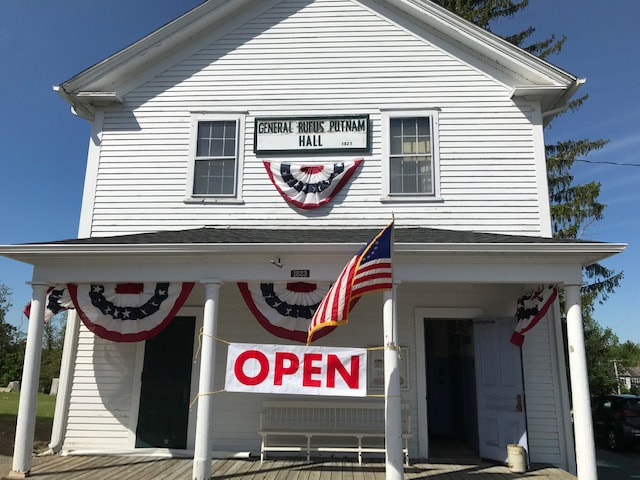
General Rufus Putnam Museum (4 Uxbridge Road)
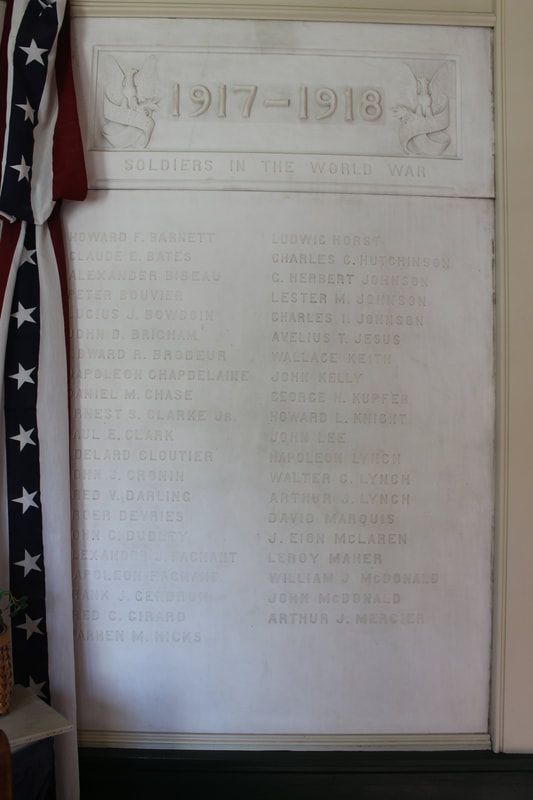
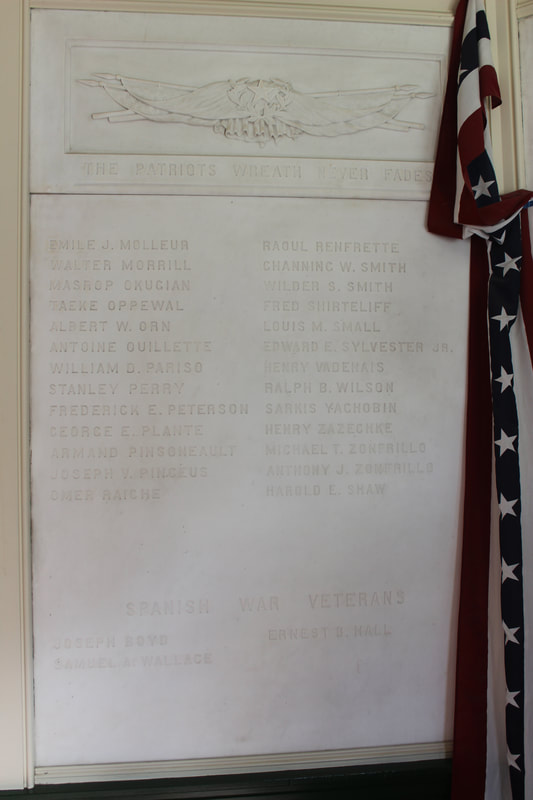
World War I Memorial (4 Uxbridge Road, Town Hall Main Entrance Vestibule)
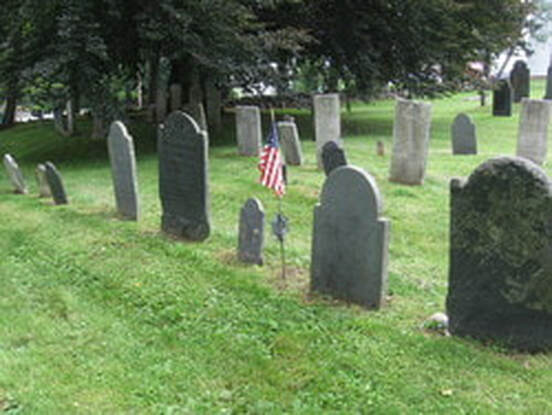
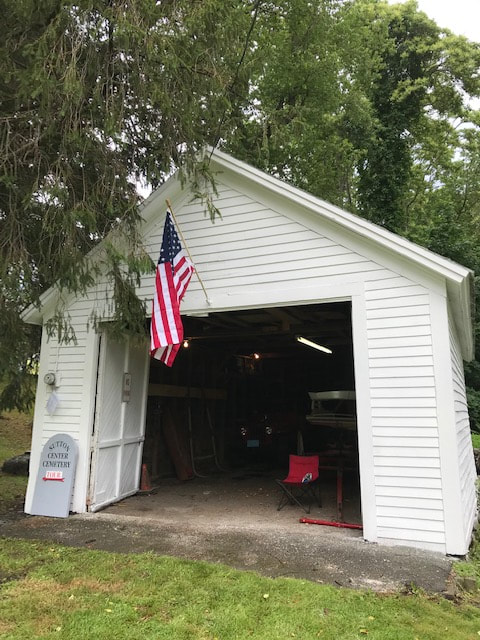
Town Center Cemetery (4 Uxbridge Road)
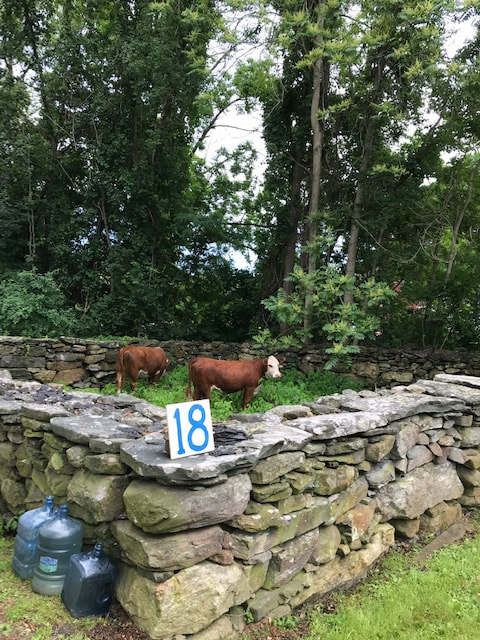
Cattle Pound and Hearse House (Adjacent to Town Cemetery next to 323 Boston Road)
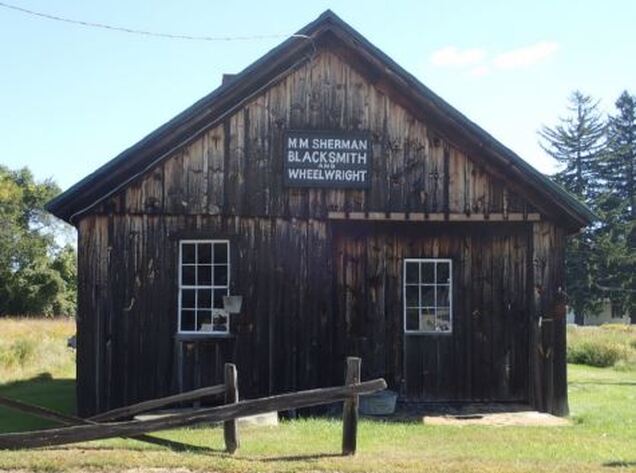
M. M. Sherman Blacksmith Shop (6 Singletary Avenue)
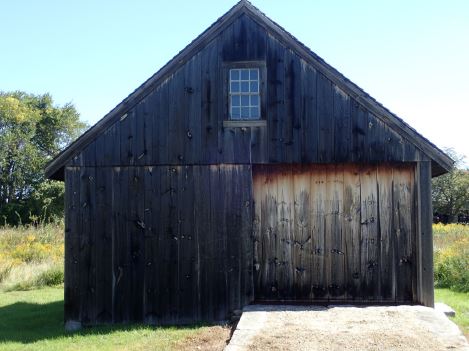
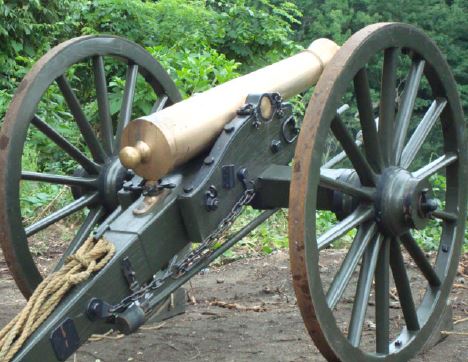
"Big Ben" and Cannon Shed (6 Singletary Avenue)
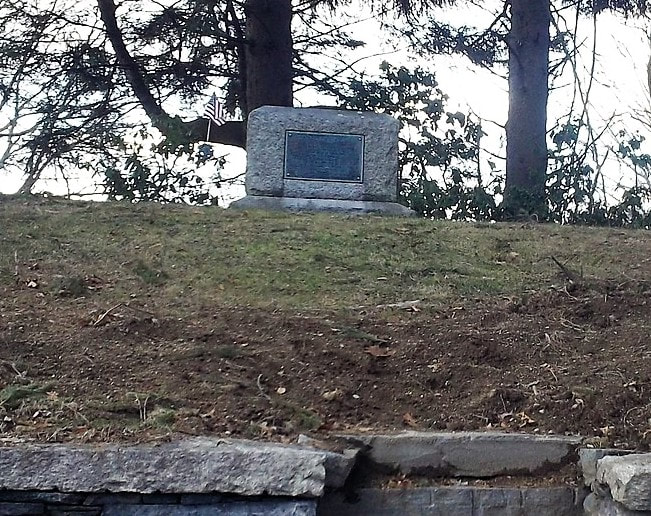
General Rufus Putnam Memorial (478 Boston Road)
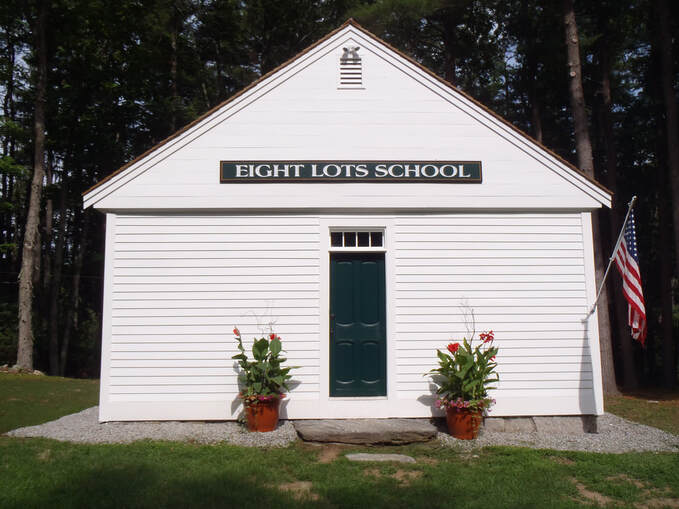
Eight Lots School House (54 Eight Lots Road)
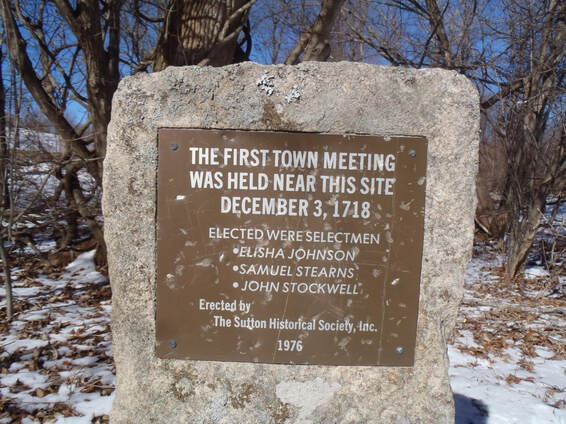
First Town Meeting Marker (82 Eight Lots Road)
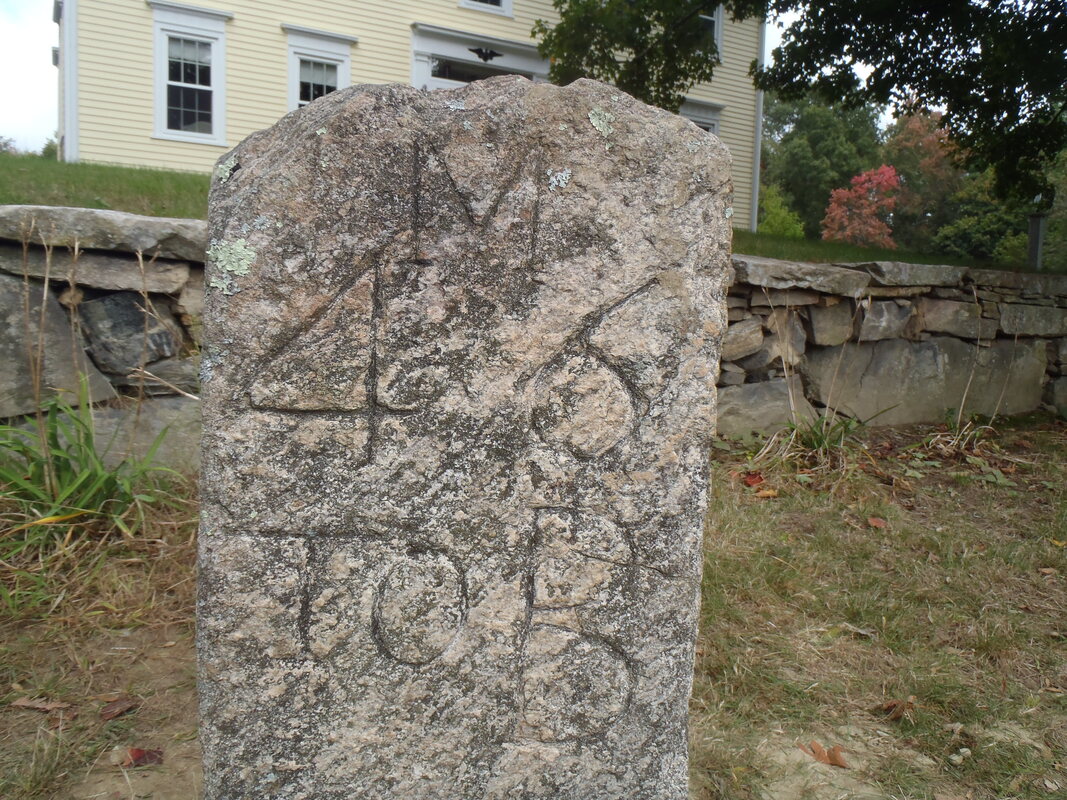
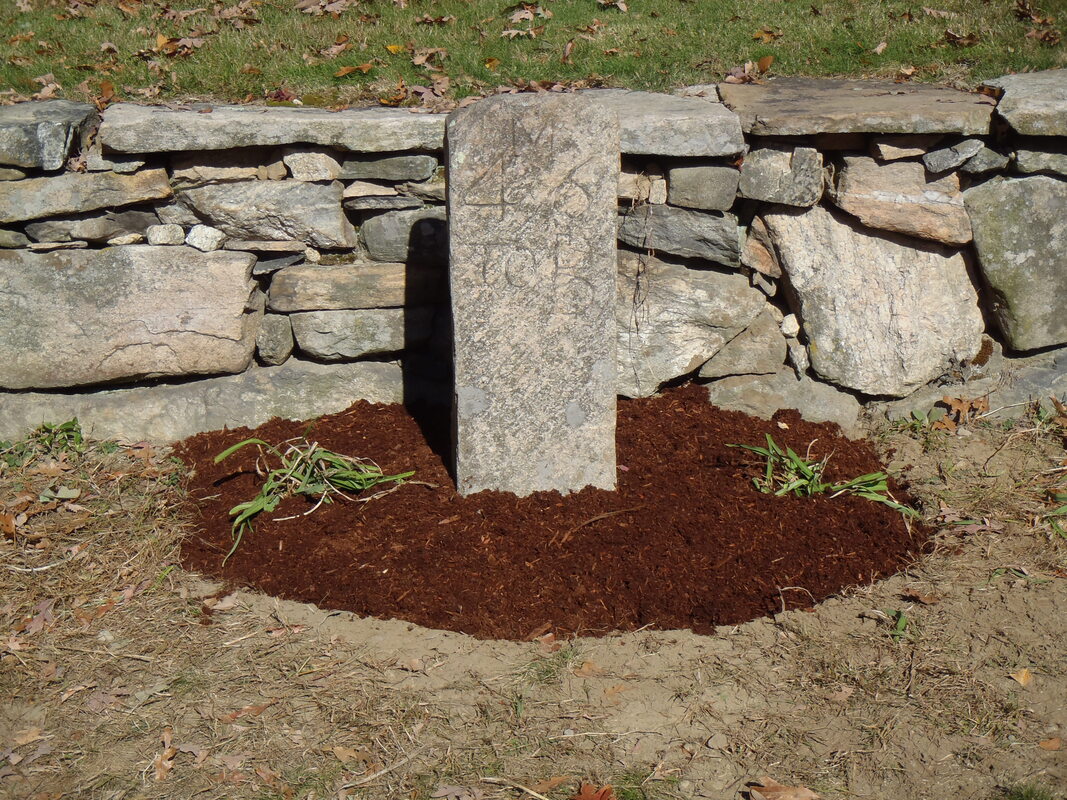
Mile Marker to Boston (2 Burbank Road)
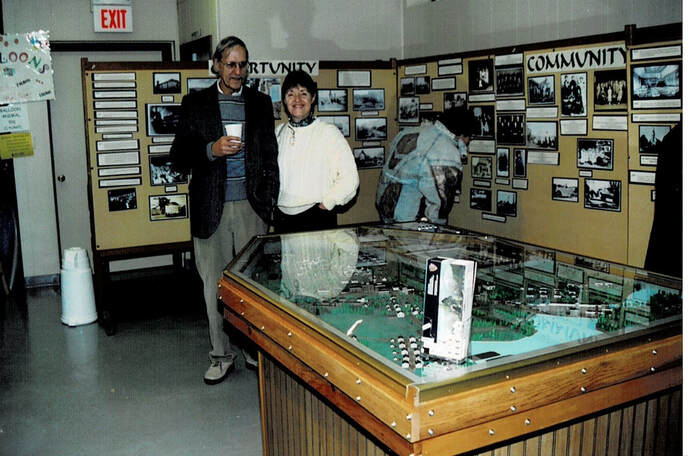
Manchaug Diorama (Manchaug Mills, 9 Main Street)
World War I Memorial (4 Uxbridge Road, Town Hall Main Entrance Vestibule)
Town Center Cemetery (4 Uxbridge Road)
Cattle Pound and Hearse House (Adjacent to Town Cemetery next to 323 Boston Road)
M. M. Sherman Blacksmith Shop (6 Singletary Avenue)
"Big Ben" and Cannon Shed (6 Singletary Avenue)
General Rufus Putnam Memorial (478 Boston Road)
Eight Lots School House (54 Eight Lots Road)
First Town Meeting Marker (82 Eight Lots Road)
Mile Marker to Boston (2 Burbank Road)
Manchaug Diorama (Manchaug Mills, 9 Main Street)
4 Uxbridge Road
Sutton, MA 01590
Sutton, MA 01590
Sutton Town Hall Vestibule
4 Uxbridge Road
Sutton, MA 01590
4 Uxbridge Road
Sutton, MA 01590
4 Uxbridge Road
Sutton, MA 01590
Sutton, MA 01590
Adjacent to Town Cemetery next to 323 Boston Road
Sutton, MA 01590
Sutton, MA 01590
6 Singletary Avenue
Sutton, MA 01590
Sutton, MA 01590
6 Singletary Avenue
Sutton, MA 01590
Sutton, MA 01590
478 Boston Road
Sutton, MA 01590
Sutton, MA 01590
54 Eight Lots Road
Sutton, MA 01590
Sutton, MA 01590
82 Eight Lots Road
Sutton, MA 01590
Sutton, MA 01590
2 Burbank Road
Sutton, MA 01590
Sutton, MA 01590
Manchaug Mills
9 Main Street
Sutton, MA 01590
9 Main Street
Sutton, MA 01590